
Introduction: Navigating the Evolving Content Landscape
The digital landscape is in constant flux, demanding an agile and forward-thinking approach to content. As we navigate toward 2026 and beyond, understanding the pivotal trends shaping how businesses connect with their audiences is no longer optional—it’s essential for survival and growth. Consumers are more discerning, attention spans are tested, and the tools for creation and distribution are evolving at an unprecedented pace. This article will delve into the critical content trends that businesses must master to not only capture attention but also cultivate lasting engagement and drive tangible revenue in the years to come. We’ll explore the transformative power of AI, the ever-evolving dominance of video, the crucial role of authenticity and community, the new frontiers of search and discovery, and how to translate engagement into sustainable business value.
The Urgency of Adaptation: Why 2026 is a Tipping Point for Content Strategy
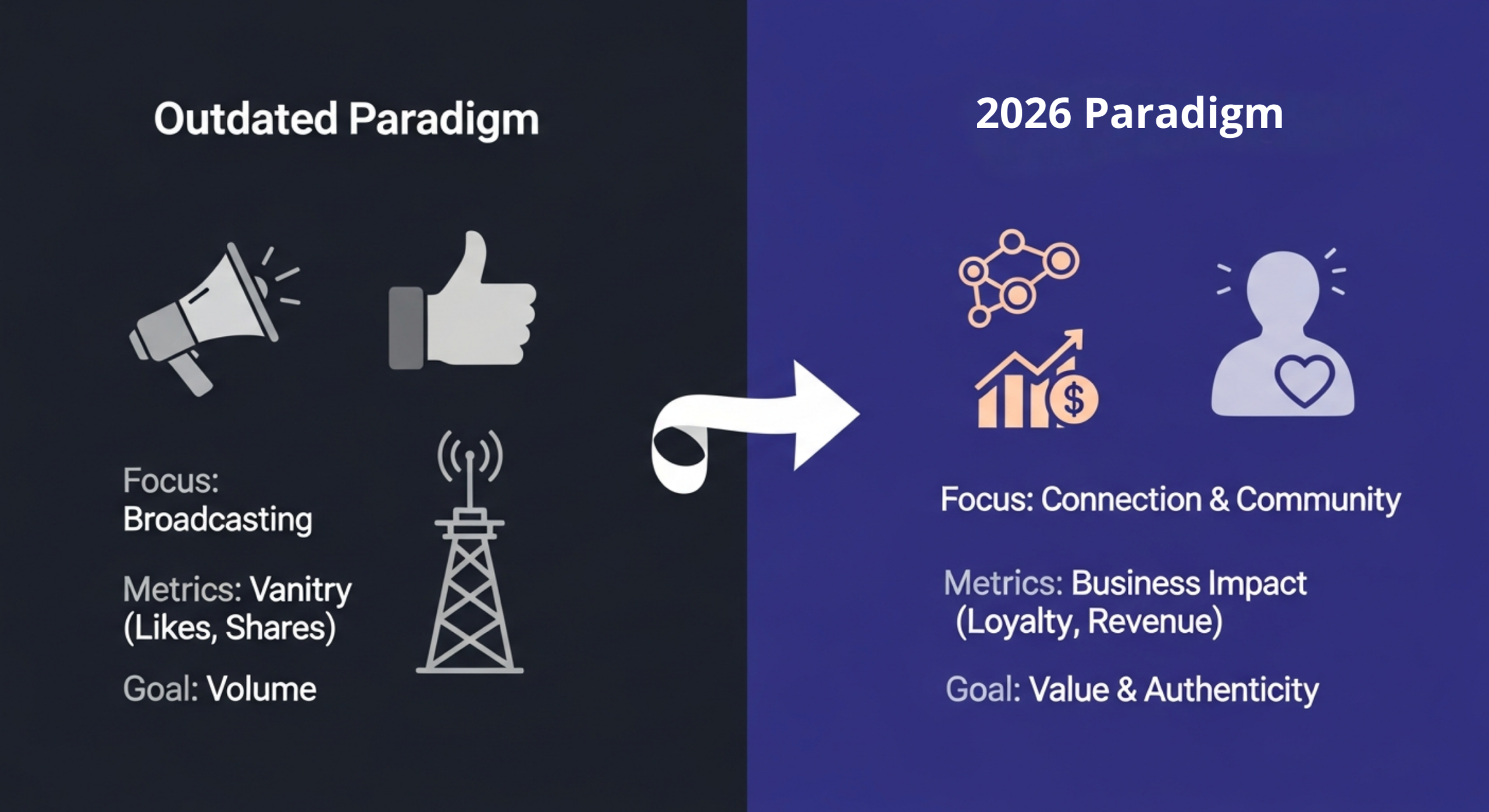
The year 2026 represents a significant inflection point for content strategy. The digital ecosystem has reached a level of sophistication where incremental adjustments are insufficient. Consumer expectations have fundamentally shifted; they demand immediate value, genuine connection, and personalized experiences. For businesses, this means their marketing strategies must evolve beyond simply broadcasting messages. The sheer volume of content available means that standing out requires a deeper understanding of audience psychology and a commitment to providing authentic value. Relying on outdated metrics like vanity engagement (likes, shares) no longer correlates directly with business growth. Instead, the focus must pivot towards strategies that foster true loyalty, advocacy, and ultimately, translate into measurable revenue. Adapting to these changes isn’t just about staying relevant; it’s about securing a competitive advantage in an increasingly crowded marketplace.
Redefining Engagement: Beyond Vanity Metrics to Lasting Audience Loyalty
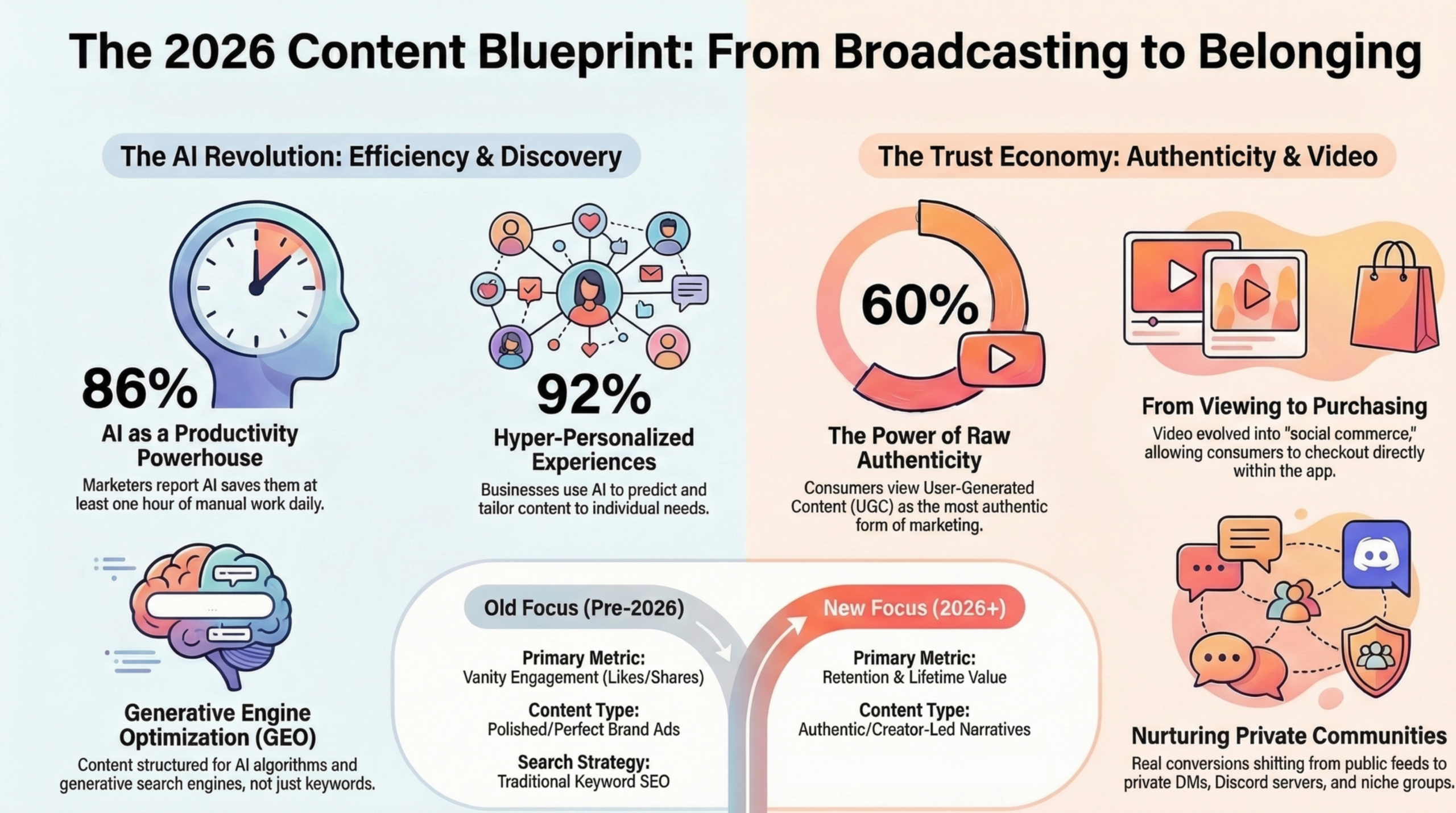
True engagement in 2026 and beyond transcends superficial metrics. While likes, shares, and comments may offer a snapshot of immediate interest, they often fail to capture the depth of a relationship between a brand and its audience. The goal is to cultivate lasting audience loyalty, transforming passive consumers into active brand advocates. This requires a strategic shift towards understanding and nurturing deeper connections. Businesses must analyze how their content fosters genuine interaction, encourages community building, and creates a sense of belonging. Measuring success now involves tracking metrics that indicate a committed audience, such as repeat engagement, customer lifetime value, and the propensity for users to share brand content organically. By focusing on delivering consistent value and fostering authentic dialogue, brands can move beyond fleeting attention to build a robust and loyal customer base.
The AI-Powered Content Revolution: From Co-Pilot to Strategic Advantage
Artificial Intelligence (AI) is no longer a futuristic concept; it is a foundational element reshaping the entire content ecosystem. Its integration into marketing strategies is accelerating, moving from a supportive role to a critical strategic advantage for businesses aiming to enhance efficiency, personalization, and creativity. The impact of AI is multifaceted, touching everything from content ideation and creation to distribution and optimization. Understanding how to leverage AI effectively is paramount for any business looking to thrive in the coming years.
Generative AI and AI Workflows: Supercharging Content Creation & Distribution
Generative AI tools are revolutionizing how content is produced. They act as powerful co-pilots, assisting in drafting text, generating images, and even composing video scripts. This technology allows businesses to scale content creation exponentially, overcoming previous limitations of time and resources. Nearly 86% of marketers report AI saves them 1+ hours a day by streamlining creative tasks. More importantly, AI enables the development of sophisticated AI workflows. These workflows automate repetitive tasks, optimize content for various platforms, and facilitate more efficient distribution. By integrating AI into their operational processes, businesses can produce higher volumes of more targeted content, enabling them to reach and engage their audience more effectively across diverse social platforms.
AI for Hyper-Personalization and Predictive Insights: Understanding Consumer Preferences
AI’s ability to process vast amounts of data provides unparalleled opportunities for hyper-personalization. By analyzing consumer behavior, preferences, and historical data, AI can predict future needs and tailor content to resonate with individual users. Over 92% of businesses are leveraging AI-driven personalization to drive growth. This goes beyond simple name insertion; it involves creating dynamic content experiences that adapt in real-time to a customer’s journey. Furthermore, AI offers predictive insights, helping businesses anticipate market shifts and emerging consumer trends before they become mainstream. This proactive understanding allows for more strategic marketing efforts, ensuring that content remains relevant and valuable to the target audience.
Generative Engine Optimization (GEO) & AI-Powered Search: Adapting to Algorithmic Shifts
As AI becomes integral to search and discovery, a new paradigm of optimization is emerging: Generative Engine Optimization (GEO). This involves strategically structuring and crafting content to be not only discoverable by traditional search engines but also optimally processed and prioritized by AI-powered search algorithms and generative AI platforms. Understanding how these algorithms interpret and synthesize information is key. Content must be clear, factual, and well-organized to be leveraged effectively by AI. Businesses need to adapt their SEO strategies to incorporate elements that AI generative engines can readily understand and utilize, ensuring their content surfaces in AI-driven search results and recommendation engines, maintaining visibility in the evolving search landscape.
The Human Element: Ethical AI, Brand Voice, and Building Trust Ecosystems
While AI offers immense power, its implementation must be guided by ethical considerations. Businesses must maintain transparency about AI usage and ensure their AI-generated content aligns with their brand voice and values. The temptation to rely solely on AI can lead to generic, uninspired content that alienates audiences. The human element remains crucial. AI should augment human creativity and strategic thinking, not replace it. Building trust ecosystems requires a balance: leveraging AI for efficiency and personalization while infusing human-led authenticity, empathy, and storytelling. This ensures that brands remain relatable and trustworthy in an increasingly automated world, fostering genuine connections with their audience.
The Dynamic World of Video: Beyond Short-Form to Immersive Storytelling
Video content continues its undisputed reign, evolving beyond simple short-form clips into sophisticated storytelling formats that drive deep engagement and commercial outcomes. The way consumers interact with video is becoming more diverse, demanding that brands adapt their strategies to capture attention across various platforms and experiences.
Vertical Video Reigns: Mastering Shorts, Reels, and TikTok for Maximum Attention
Short-form vertical video, popularized by platforms like TikTok, Instagram Reels, and YouTube Shorts, remains a dominant force for capturing audience attention. The rapid-fire, visually engaging nature of these formats makes them ideal for delivering quick, impactful messages. Businesses must master the art of creating content that is native to these platforms – authentic, entertaining, and easily digestible. Understanding the specific algorithms and audience behaviors on each platform is crucial for maximizing reach and engagement.
The Art of Micro-Dramas and Captivating Visual Narratives
Beyond the quick hit, there’s a growing appetite for more compelling visual narratives within short-form constraints. Micro-dramas, episodic content, and visually rich storytelling are proving incredibly effective at holding audience attention. These formats allow for deeper emotional connection and brand storytelling without requiring long viewing times. Brands that can craft concise yet captivating visual narratives that unfold across multiple short videos can build anticipation and foster a sense of ongoing engagement with their audience.
Emerging Formats: Streaming Video, Hybrid Experiences, and Immersive Content
The video landscape is expanding to include more immersive and interactive experiences. Live streaming continues to grow, offering real-time engagement and Q&A opportunities. Hybrid content, blending live and pre-recorded elements, provides flexibility and depth. Immersive formats, such as augmented reality (AR) and virtual reality (VR) experiences, are on the horizon, offering entirely new ways for consumers to interact with brands and products. Businesses that explore these emerging formats will position themselves at the forefront of content innovation.
Unlocking Conversions with Video-Driven Social Commerce and In-App Checkout
Video is increasingly becoming a direct driver of revenue through social commerce. Platforms are seamlessly integrating shopping features, allowing consumers to discover and purchase products directly within video content. This eliminates friction in the customer journey, turning passive viewing into active purchasing decisions. Brands can leverage video product demonstrations, influencer reviews, and live shopping events to capitalize on this trend, transforming engagement into tangible sales and revenue.
Cultivating Deeper Connections: Authenticity, Community, and the Creator Economy
In an era of information overload, authenticity and genuine connection are paramount. Audiences are increasingly seeking out brands that demonstrate transparency, foster community, and engage with them on a more personal level. The rise of the creator economy further amplifies these trends, placing valuable content creators at the center of brand strategies.
Fostering Authenticity and Building Trust: The Core of Modern Brand Strategy
Polished, ‘perfect’ content is losing ground to honest, relatable content. 60% of consumers regard UGC as the most authentic form of marketing content. Authenticity and transparency are no longer just buzzwords; they are fundamental to building trust. Brands that openly share their values, acknowledge imperfections, and showcase genuine interactions build stronger, more resilient relationships with their audience. This can involve behind-the-scenes glimpses, unscripted moments, and a commitment to ethical practices.
The Rise of Creator-Led Content and Strategic Creator Relationships
Content creators have become powerful intermediaries, capable of reaching highly engaged niche audiences. Strategic partnerships with content creators are no longer optional for many brands; they are essential for authentic storytelling and market penetration. By collaborating with creators who genuinely align with their brand values, businesses can access credibility and tap into established communities. This shift moves beyond traditional influencer marketing to foster genuine, long-term relationships that benefit both the creator and the brand, driving significant engagement.
From Broad Reach to Private Communities: Nurturing Audience Loyalty and DM-Led Engagement
While broad reach remains important, the future of engagement lies in nurturing deeper connections within dedicated communities. This can manifest as private Facebook groups, Discord servers, or exclusive membership platforms. These spaces foster a sense of belonging and allow for more direct, intimate engagement. Increasingly, real conversion moments are happening in DMs, comments, and these private channels. Businesses that facilitate these direct interactions and build private communities can cultivate exceptionally loyal customers.
The Power of Parasocial Relationships, Fandoms, and Nostalgia in Content
Audiences often form parasocial relationships with content creators and brands they admire, feeling a one-sided sense of connection. Understanding and ethically leveraging these relationships, alongside tapping into shared fandoms and nostalgic sentiments, can significantly boost engagement. Content that resonates with shared cultural moments, evokes positive memories, or appeals to the emotional bonds audiences form can create a powerful sense of connection and loyalty.
Employee Advocacy: Unleashing an Authentic Content Amplification Force
Employees represent a powerful, often untapped, resource for authentic content amplification. By empowering employees to share their genuine experiences and insights related to the brand, businesses can multiply their reach and enhance credibility. Employee advocacy programs humanize brands, providing a trusted voice that resonates with broader networks. This authentic sharing builds trust and extends brand messaging through a diverse and credible group of advocates.
The New Search & Discovery Landscape: Social SEO and First-Party Data
The way audiences discover content is undergoing a profound transformation. Traditional search engines are no longer the sole gatekeepers; social media platforms are emerging as powerful discovery engines, demanding new optimization strategies. Concurrently, the importance of first-party data is escalating.
Social Search Behavior: Optimizing Content for In-Platform Discovery across Social Media Platforms
Consumers are increasingly using social media platforms like TikTok and Instagram as search engines, looking for recommendations, information, and entertainment directly within their feeds. This necessitates a shift towards “social SEO”—optimizing content for in-platform search and discovery. Content must be designed to be easily found through keywords, hashtags, and trending topics within these social ecosystems. Understanding how users search and what content surfaces organically on each platform is critical for visibility.
Structuring Content for Visibility: Schema Markup and EEAT in the Social Age
While traditionally associated with web SEO, principles like Expertise, Authoritativeness, and Trustworthiness (EEAT) and structured data (like schema markup) are becoming relevant in the social age. Content creators and businesses should aim to provide clear, credible, and valuable information. Structuring content logically, using descriptive language, and ensuring the source’s authority are all factors that can help AI and platform algorithms understand and prioritize content, enhancing its discoverability.
The Strategic Imperative of First-Party Data: Personalization and Trust
With increasing privacy concerns and the deprecation of third-party cookies, first-party data has become a cornerstone of effective marketing. Collecting data directly from customers—through website interactions, purchases, and direct engagement—provides valuable insights into their preferences and behaviors. 83% of marketers say data-driven marketing is essential to their business growth. This data, when collected transparently and ethically, enables hyper-personalized content and experiences, fostering stronger customer relationships and driving significant ROI.
Social Listening Tools and Analytics: From Monitoring to Proactive Engagement and Insights
Social listening tools are evolving beyond simple monitoring to become strategic assets for proactive engagement. By analyzing conversations, sentiment, and trends across social platforms, businesses can gain real-time insights into audience needs, pain points, and emerging interests. This data directly informs content strategy, allowing businesses to create more relevant content, respond to customer inquiries proactively, and identify opportunities for deeper engagement and community building.
Beyond Engagement: Driving Tangible Value and Sustainable Growth
Ultimately, content strategies must serve a broader business objective: driving tangible value and sustainable growth. While engagement is a crucial stepping stone, it needs to be translated into measurable outcomes that impact the bottom line.
Content as a Business Asset: Monetization, Direct-to-Consumer Models, and Revenue Generation
Content is no longer just a marketing expense; it is a valuable business asset that can be directly monetized. This includes subscription models, premium content offerings, and direct-to-consumer (DTC) sales driven by engaging content. Businesses that strategically develop and leverage their content can unlock new revenue streams and reduce reliance on traditional advertising. Understanding how to package and promote content as a product is key to this transformation.
Sustainability and Greenwashing: Building Trust Through Values-Aligned Content
Consumers are increasingly conscious of a brand’s social and environmental impact. Content that genuinely reflects a commitment to sustainability and ethical practices can build trust and resonate deeply with audiences. However, brands must be wary of “greenwashing”—making unsubstantiated or misleading claims about their environmental efforts. Authentic, transparent communication about sustainability initiatives, supported by verifiable actions, is crucial for building credibility and fostering long-term customer loyalty.
Future-Proofing Content Strategies: Adaptability, Continuous Learning, and Long-Term Retention
The rapid pace of change in the digital landscape necessitates a focus on adaptability and continuous learning. Businesses must foster a culture that embraces experimentation, learns from data, and is willing to pivot strategies as trends evolve. Investing in long-term audience retention through consistent value delivery and community building is more sustainable than chasing fleeting viral moments. By building adaptable frameworks and prioritizing customer relationships, brands can ensure their content strategies remain effective and resilient for years to come.
Conclusion: Your Roadmap to Enduring Engagement in 2026 and Beyond
The journey toward enduring engagement in 2026 and beyond is one of strategic adaptation, human-centricity, and technological embrace. The trends we’ve explored—the AI-powered content revolution, the dynamic evolution of video, the crucial cultivation of authenticity and community, and the new paradigms of search and discovery—collectively paint a picture of a more interconnected, personalized, and value-driven content future. Businesses must move beyond vanity metrics to foster genuine loyalty, leveraging AI not just for efficiency but as a strategic partner in creating hyper-personalized experiences. Video remains paramount, demanding mastery of diverse formats from short-form to immersive storytelling, increasingly integrated with social commerce. Authenticity and creator collaborations are no longer fringe tactics but core strategies for building trust. The shift in search behavior necessitates a focus on social SEO and the indispensable power of first-party data.
Ultimately, content must be viewed as a strategic business asset, directly contributing to revenue generation and long-term growth. This requires a commitment to adaptability, continuous learning, and a deep understanding of consumer needs. By embracing these essential content trends, businesses can navigate the evolving landscape, forge deeper connections with their audience, and unlock sustained engagement and success in the years ahead. The time to act is now; your roadmap to tomorrow’s engagement begins with understanding and implementing these critical shifts today.